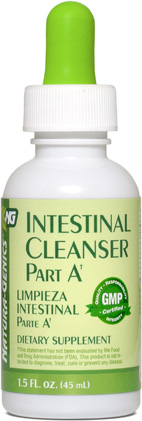
Intestinal Cleanser Part A™

1.5 FL. oz. •  45 mL.
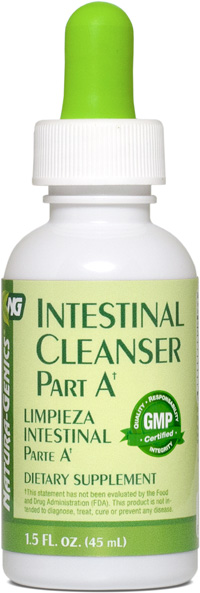
Intestinal Cleanser Part A Liquid

Intestinal Cleanser Part A in liquid form is formulated to support digestive wellness. It is a combination of six herbs known for their cleansing and restorative benefits for the large intestine. 

The primary function of the colon, or large intestine, is to collect and eliminate fermentative and putrefactive waste from the body. Through natural peristaltic movements, the colon moves solid and semi-solid waste out of the system. In simple terms, the colon acts as the body’s sewage system that requires proper care and hygiene to prevent the buildup of toxins that may contribute to various health concerns.

When fecal matter remains in the colon for too long it is considered fermented and putrefied. Any remaining nutritional elements present would pass into the blood stream in a polluted form, generating toxemia. This condition is produced by the growth of pathogenic, or disease-producing bacteria.

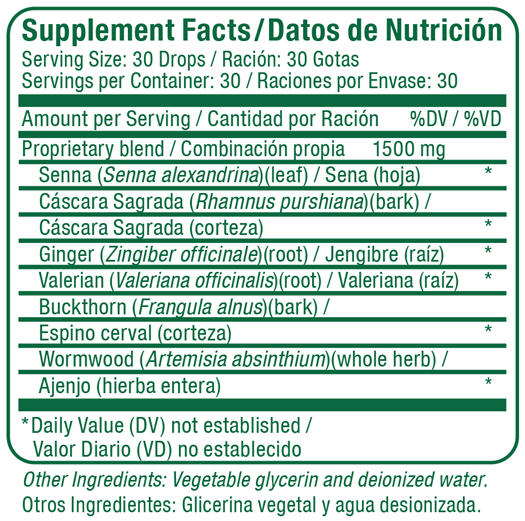
This product is manufactured with the following ingredients:

Senna – the leaves have been used by people in northern Africa and southwestern Asia for centuries as a natural laxative. It is considered a “cleansing” herb due to its cathartic (purgative) effect. Senna contains hydroxyanthracene glycosides, known as sennosides, which stimulate colon activity and thus promote a laxative effect. These glycosides also increase fluid secretion by the colon, helping soften stool and increasing its bulk.

Cascara sagrada – the bark was introduced by Northern California Indians to 16th century Spanish explorers. Cascara Sagrada (sacred bark) is high in hydroxyanthraquinone glycosides called cascarosides. Resins, tannins, and lipids make up the bulk of the other bark ingredients. Cascarosides have a cathartic effect that induces the large intestine to increase its muscular contractions (peristalsis), resulting in bowel movements.

Ginger – the rhizome contains approximately 1 to 4% volatile oils. The aromatic constituents of ginger include zingiberene and bisabolene, while the pungent constituents are known as gingerols and shogaols. Ginger is considered a tonic for the digestive tract, stimulating digestion and toning the intestinal muscles. This action eases the transport of substances through the digestive tract, reducing irritation to the intestinal walls.

Valerian – the root has traditionally been used to support nervous system health. It contains various natural compounds, including volatile oils that contribute to its calming properties and may also support healthy digestive function. Stress can upset the digestive system, tense digestive muscles, and interfere with regular bowel movements. As the brain is on high alert during times of stress, so is the intestinal tract. Anything that causes chronic stress, including constipation can affect emotions and well-being. 

Buckthorn – the bark has been used as a laxative in northern and central Europe, including England, for centuries. Buckthorn bark and berries are high in anthraquinone glycosides. Resins, tannins, and lipids make up the bulk of the bark’s other ingredients. Anthraquinone glycosides have a cathartic effect, promoting the large intestine to increase its muscular contraction (peristalsis).

Wormwood – the herb is used in traditional medicine by herbalists. This herb is considered a bitter compound and effective in improving digestion, fighting worm infestations, and stimulating menstruation. It is also regarded as a useful agent for liver and gallbladder complications.

Supplement Facts
Intestinal Cleanser Part A in liquid form is formulated to support digestive wellness. It is a combination of six herbs known for their cleansing and restorative benefits for the large intestine. 

The primary function of the colon, or large intestine, is to collect and eliminate fermentative and putrefactive waste from the body. Through natural peristaltic movements, the colon moves solid and semi-solid waste out of the system. In simple terms, the colon acts as the body’s sewage system that requires proper care and hygiene to prevent the buildup of toxins that may contribute to various health concerns.

When fecal matter remains in the colon for too long it is considered fermented and putrefied. Any remaining nutritional elements present would pass into the blood stream in a polluted form, generating toxemia. This condition is produced by the growth of pathogenic, or disease-producing bacteria.

This product is manufactured with the following ingredients:

Senna – the leaves have been used by people in northern Africa and southwestern Asia for centuries as a natural laxative. It is considered a “cleansing” herb due to its cathartic (purgative) effect. Senna contains hydroxyanthracene glycosides, known as sennosides, which stimulate colon activity and thus promote a laxative effect. These glycosides also increase fluid secretion by the colon, helping soften stool and increasing its bulk.

Cascara sagrada – the bark was introduced by Northern California Indians to 16th century Spanish explorers. Cascara Sagrada (sacred bark) is high in hydroxyanthraquinone glycosides called cascarosides. Resins, tannins, and lipids make up the bulk of the other bark ingredients. Cascarosides have a cathartic effect that induces the large intestine to increase its muscular contractions (peristalsis), resulting in bowel movements.

Ginger – the rhizome contains approximately 1 to 4% volatile oils. The aromatic constituents of ginger include zingiberene and bisabolene, while the pungent constituents are known as gingerols and shogaols. Ginger is considered a tonic for the digestive tract, stimulating digestion and toning the intestinal muscles. This action eases the transport of substances through the digestive tract, reducing irritation to the intestinal walls.

Valerian – the root has traditionally been used to support nervous system health. It contains various natural compounds, including volatile oils that contribute to its calming properties and may also support healthy digestive function. Stress can upset the digestive system, tense digestive muscles, and interfere with regular bowel movements. As the brain is on high alert during times of stress, so is the intestinal tract. Anything that causes chronic stress, including constipation can affect emotions and well-being. 

Buckthorn – the bark has been used as a laxative in northern and central Europe, including England, for centuries. Buckthorn bark and berries are high in anthraquinone glycosides. Resins, tannins, and lipids make up the bulk of the bark’s other ingredients. Anthraquinone glycosides have a cathartic effect, promoting the large intestine to increase its muscular contraction (peristalsis).

Wormwood – the herb is used in traditional medicine by herbalists. This herb is considered a bitter compound and effective in improving digestion, fighting worm infestations, and stimulating menstruation. It is also regarded as a useful agent for liver and gallbladder complications.