
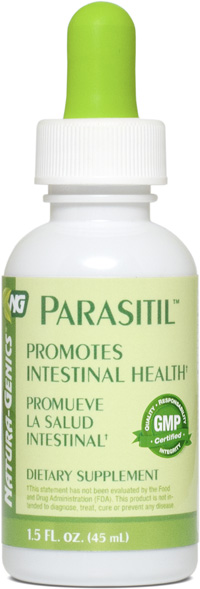
Parasitil™
1.5 FL. oz. • 45 mL.
Intestinal parasites can cause serious digestive disorders in humans and animals. They can affect important stages of nutrition, digestion, and absorption. Parasites can be transmitted through contaminated food or water, poor hygiene, and sometimes through pets. Visiting third-world countries may also increase the risk of contracting parasites, especially if raw, undercooked food or untreated water is consumed.
Once inside the intestines, parasites disrupt the delicate balance of gut bacteria. The gut is home to trillions of bacteria that help digest food, absorb nutrients, and support the immune system. However, when parasites are present, they can reduce the number of healthy bacteria, such as Lactobacillus and Bifidobacterium, crucial for digestion and overall health.
This imbalance often leads to common digestive problems, including bloating, gas, constipation, and diarrhea. Parasites can also cause more complicated disorders, like leaky gut, a condition where the lining of the intestines becomes too porous, allowing harmful substances to enter the bloodstream. Over time, this can lead to chronic inflammation, food sensitivities, and even autoimmune conditions.
Parasitil™ is a combination of five herbal extracts in liquid form, formulated to promote intestinal health.
Ingredients
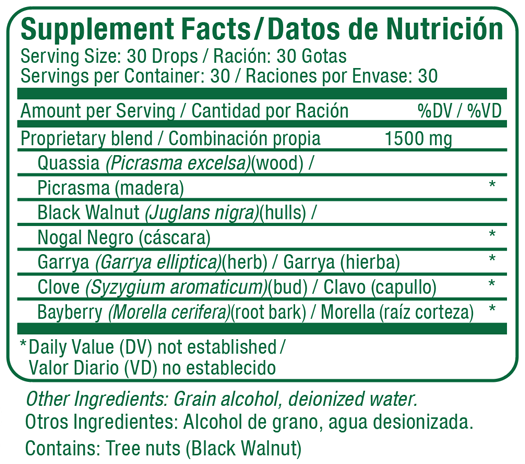
Quassia – used for many years in traditional medicine, especially in South America and the Caribbean, as a bitter tonic and for fighting intestinal parasites. The primary active constituents, quassinoids, are recognized for their bitter flavor and antiparasitic properties. Traditional herbal healers have used quassia extracts, teas, or tinctures as vermifuges (agents that expel worms), particularly for tapeworms and other intestinal helminths.
Black Walnut – the hulls have a long history of use in traditional herbal medicine, especially in parts of Europe and North America as an agent for intestinal parasites, including tapeworms. Herbalists have recommended black walnut hulls for centuries, often in combination with cloves and bayberry, as part of protocols to “detox” the digestive system of worms and parasites. The primary active compound is juglone, a naphthoquinone compound with antimicrobial and antiparasitic properties.
Garrya – traditionally used by Indigenous peoples and herbalists for digestive issues (parasites, cramps, diarrhea, nausea), respiratory conditions, and menstrual pain. It contains bitter antispasmodic properties and is often used as tea or a tincture.
Clove – has a long history of use in traditional medicine systems (Ayurveda and Traditional Chinese Medicine) for its ability to expel intestinal parasites and worms. The main reason for its use is clove’s content of eugenol, an agent known for its antimicrobial properties.
Bayberry – used against intestinal parasites and worms due to its compound berberine, a prominent isoquinoline alkaloid found in the root and bark. Traditional healers have administered bayberry extracts for gastrointestinal complaints believed to be caused by parasitic infections. Ethnobotanical surveys state its application for clearing “worms” and purifying the digestive tract.
Supplement Facts
Recommendations
Where to Buy

