
Beta-Carotene
100 Softgels • (25,000 IU)
100 Softgels
(25,000 IU)

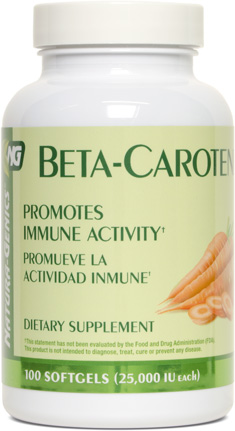
Beta-carotene is a plant substance that the organism converts into vitamin A. It also acts as an antioxidant and an immune system enhancer.
Dark green and orange-yellow vegetables are a good source of beta-carotene. People who dislike or limit their consumption of beta-carotene-containing vegetables are at high risk of developing vitamin A deficiency.
Beta-carotene is a double molecule of vitamin A. It may be converted to vitamin A in the upper intestine before absorption; beta-carotene can also be converted to vitamin A in the liver. People with diabetes, low thyroid activity, and diets high in polyunsaturated fatty acids (PUFAs) without antioxidants such as vitamin E have a reduced ability to convert beta-carotene to vitamin A. The absorption of vitamin A and carotenoids is enhanced by the presence of dietary fat and bile salts in the small intestine.
Beta-carotene performs several functions. Some of them are:
Eyesight – Because beta-carotene is converted into vitamin A, inadequate beta-carotene intake or poor conversion to vitamin A may contribute to reduced rhodopsin production. This can impair vision in low-light conditions, a condition commonly known as night blindness. Beta-carotene also helps maintain cornea health, the eye covering. Beta-carotene deficiency can increase susceptibility to eye irritation and inflammation.
Growth and tissue healing – beta-carotene is involved in bone tissue formation and promotes healthy teeth. After tissue injury or surgery, beta-carotene is needed for tissue repair and to help protect them from infection.
Healthy skin – beta-carotene stimulates the growth of the base layer of skin cells. It helps cells differentiate normally (progress from less to more mature cell forms) and plays a role in their structural integrity. It does this for both external skin cells and the body’s inner skin (the mucous membrane linings of the nose, eyes, intestinal tract, respiratory lining, and bladder). This function also helps protect these areas from cell degeneration and dangerous conditions.
Antioxidation – beta-carotene helps protect the organism (particularly cell membranes and tissue linings) from the effects of free radicals (unstable molecules), by neutralizing them. Beta-carotene also protects tissues from the toxic singlet oxygen radical. This function may require amounts higher than the RDA, often in the range of 10,000 to 20,000 IU per day or more. Through its antioxidant effects, beta-carotene helps protect the body from the irritating effects of smoke and other pollutants.
Cellular health – beta-carotene has been shown to improve immune response by stimulating T-helper cell activity. It may also help prevent cellular degeneration and maintain normal immune system function.
Supplement Facts

Recommendations
Where to Buy


