
Flemaxil™
1.5 FL. oz. • 45 mL.

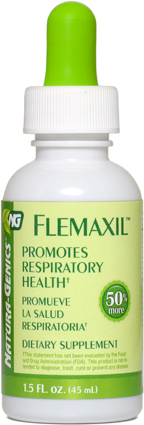
Chronic respiratory symptoms are a major source of distress in many people. Cough and phlegm are usually associated with chronic obstructive pulmonary disease, which is caused by lung inflammation and tissue damage. Cigarette smoke is a major source of chronic respiratory conditions. However, susceptibility to respiratory conditions in non-smokers has been observed. This suggests that additional factors, including other environmental exposures, genetics, and nutritional intake, may play a role.
Flemaxil™ has been formulated with six herbal extracts to promote the elimination of phlegm and support the respiratory system.
Ingredients
Lobelia grows throughout North America, and its leaves are traditionally used in herbal medicine. Eclectic physicians (early North American doctors who used herbs as their primary medicine) considered lobelia to be one of the most important medicinal plants. They used it for cough, phlegm, and lung spasms caused by different reasons. The alkaloid lobeline is responsible for most of lobelia’s activity. Preliminary trials suggest that lobeline may support respiratory function, possibly due to its ability to reduce bronchial constriction and help thin mucus, making it easier to expel through coughing.
Wild cherry is native to North America. The bark of the wild cherry tree is used in medicinal preparations. Wild cherry bark contains glycosides, which, once broken down in the body, relieve coughs by reducing spasms in the smooth muscles lining bronchioles. Wild cherry syrup has been used traditionally by herbalists for cough and other lung conditions.
Licorice has been used for several conditions. It was and remains one of the most important herbs in Traditional Chinese Medicine (TCM). Its most consistent and important uses are serving as a demulcent (soothing coating agent) in the digestive and urinary tracts, soothing sore throats, and relieving coughs. The two major constituents of licorice are glycyrrhizin and flavonoids.
Ginger has been used in Traditional Chinese Medicine for over 2,500 years. It is commonly used for digestion, respiratory disorders, motion sickness, and mobility problems. Ginger promotes anti-inflammatory activity that helps in removing toxins from the respiratory tract. It also has antioxidants to help support the immune system.
Safflower is used for several conditions, respiratory problems being one of them. Safflower may act as an expectorant by thinning phlegm and helping expel it smoothly from the organism.
Hyssop is traditionally used to relieve chest congestion and coughs, soothe sore throats, and act as a mild sedative. Due to the presence of volatile oil constituents in hyssop, it may provide relief for mild irritations of the upper respiratory tract.
Supplement Facts

Recommendations
Where to Buy


