
Hepa Cleanser™
60 & 100 Veggie Capsules
The liver is an extremely active and hardworking organ, as evidenced by its high blood flow; approximately 3 pints of blood pass through the liver each minute.
The liver is behind the ribs on the right side of the upper abdomen. It has two anatomical parts called lobes. The right lobe is approximately six times larger than the left. The right and left lobes of the liver are separated by fibrous tissue known as the falciform ligament.
The liver is not unique only by virtue of its large size, but also by its dual blood supply. It is the only organ to have two separate sources of blood supply. The hepatic artery brings freshly oxygenated blood from the heart, and the portal vein brings blood from the stomach and intestines loaded with nutrients from food.
The liver is very versatile and performs the following metabolic and regulatory functions:
Regulates carbohydrate metabolism – turns glucose (sugar) into glycogen for storage in the liver. Liver glycogen can release glucose into the blood to maintain normal blood sugar levels if needed. If the body is low in carbohydrates, the liver can manufacture more carbohydrates from fat or proteins.
Has storage functions – stores glycogen, vitamin A and D, iron, copper, and many of the B complex vitamins.
Regulates protein metabolism – manufactures many body proteins, such as albumin and blood-clotting factors, such as prothrombin and fibrinogen, that cause the blood to clot when needed. It also transports substances such as fats, iron, hormones, and drugs around the bloodstream. High-density lipoprotein (HDL), a protein complex involved in cholesterol transport, is frequently measured in blood tests. Higher HDL levels are generally considered beneficial because they are associated with a lower risk of heart disease. This is because HDL transports cholesterol out of the blood vessel’s walls back to the liver for excretion.
Detoxifies many toxic substances and chemicals – helps detoxify the body by attaching specific substances to toxins, making them easier to eliminate or neutralize. It metabolizes or bio-transforms illegal drugs, medications, steroid hormones, and waste products of the body, such as toxic ammonia. Ammonia is formed in the body from the breakdown of protein, and a healthy liver is able to break it down into urea, which is then excreted via the kidneys. The most important enzyme system in the liver’s detoxification process is the cytochrome P-450-dependent microsomal oxidase system.
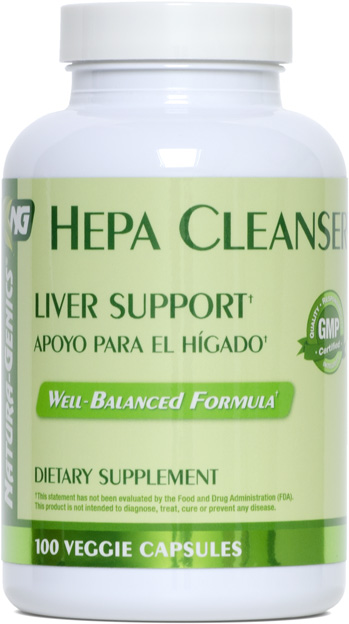
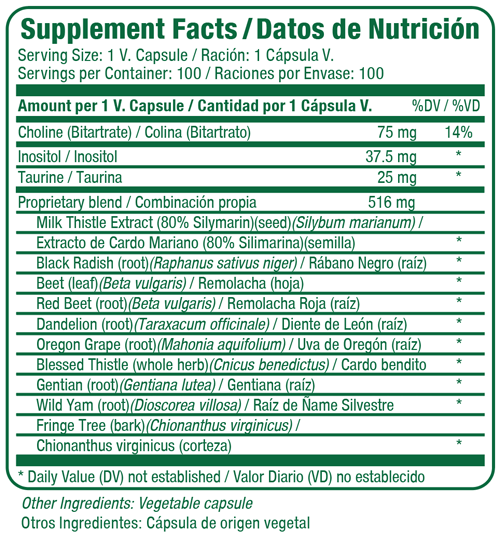
Hepa Cleanser™ is a combination of choline, inositol, and taurine, important ingredients for optimum liver function. This supplement also contains nine herbs, among them milk thistle extract.
Ingredients
The use of milk thistle can be traced back more than 2,000 years. It is valued for its powerful antioxidant properties. The dried fruit of milk thistle contains a flavonoid complex known as silymarin, which is responsible for the medicinal benefits of the plant. Silymarin is made up of three main compounds: silibinin, silydianin, and silychristin. Among these, silibinin is considered the most active compound and is largely responsible for the benefits attributed to silymarin. Milk thistle may help protect liver cells by blocking the entry of harmful toxins and supporting the removal of these toxins from cells.
Choline is an essential nutrient, and the liver is a central organ responsible for choline metabolism. When the body is deficient in choline, hepatosteatosis (fatty liver) and liver cell damage may occur. Choline deficiency has also been associated with impaired liver function, with susceptibility influenced by factors such as genetics, gender, and the gut microbiome. Research has also identified an important role for choline in metabolic syndrome.
Another ingredient in this formula is inositol. It is a nutrient part of the B-complex group, required for the proper formation of cell membranes. It supports nerve transmission and helps transport fats throughout the body. A clear deficiency of inositol is rare, although people with diabetes have increased excretion, and many could benefit from inositol supplementation.
A third and important ingredient is taurine. It is an amino acid and a component of bile acids, which are used to help absorb fats and fat-soluble vitamins. Increased evidence suggests that intake of L-taurine may help support non-alcoholic fatty liver disease (NAFLD). Non-alcoholic fatty liver disease occurs when an excess of fat accumulates in the liver, and it can be a result of insulin resistance and metabolic syndrome. Over time, this will cause loss of liver function, leading to cirrhosis. Other studies have shown that taurine protects liver cells against free radicals and toxins, helping reduce the severity of oxidative stress-induced liver injury.
Black radish, in general, is good for overall liver function. In addition to regulating bilirubin and bile production, it can detoxify the liver. Black radish can also help release enzymes such as myrosinase, diastase, amylase, and esterase, which can help promote long-term liver health.
Red beet has been valued for its nutritional benefits for hundreds of years, and recent studies continue to support its health-promoting properties. Red beet contains numerous vitamins and minerals, nutrients that contribute to overall health. It also contains phytonutrient pigments known as betalains, which include two main compounds: betanin and vulgaxanthin. They are high in antioxidants, promote anti-inflammatory activity, and may also help with liver detoxification.
Dandelion is commonly consumed as food, and for hundreds of years, both the leaves and roots have been used to support the health of the liver, gallbladder, kidneys, and joints. In some cultures, dandelion is considered a blood purifier. The primary constituents responsible for dandelion’s effects on the digestive system and liver are the bitter principles.
Before European colonists arrived in America, Oregon grape was traditionally used by Indigenous people of North America to address a variety of health concerns. The alkaloids, including berberine, berbamine, canadine, and hydrastine, may account for its therapeutic effects. The bitter-tasting compounds, as well as the alkaloids in Oregon grape root, are thought to stimulate digestive function.
Folk medicine used blessed thistle for digestive problems, including gas, constipation, and upset stomach. This herb is a relative of milk thistle and is used for liver and gallbladder health.
Gentian roots are used for therapeutic purposes and have long been used in Europe as a digestive aid. Gentian contains bitter substances such as the glycosides gentiopicrin and amarogentin. In addition to stimulating the secretion of saliva in the mouth and hydrochloric acid in the stomach, gentiopicrin may also help support liver protection.
Wild yam has several uses, including supporting digestion. It can help reduce flatulence and promote overall liver and gallbladder health.
Fringe tree was frequently used by North American Indians and European settlers alike for disorders of the eyes, mouth ulcers, and spongy gums. In modern herbalism, it is considered to be one of the most reliable herbs for liver and gallbladder disorders. It is believed to help stimulate bile flow.
Supplement Facts
Recommendations
Where to Buy


