
Hydrangea
50 Veggie Capsules
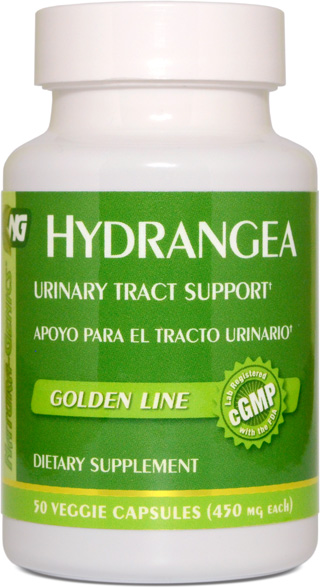
Hydrangea has a long history of traditional use in various countries and cultures. Native to North America, it was historically used by Indigenous peoples for its diuretic, anti-inflammatory, and urinary tract health benefits. It was commonly used for kidney stones, bladder conditions, and for painful urination. In Europe and Asia, its ornamental appeal overshadowed medicinal uses, though some folk traditions used it similarly for its perceived ability to aid the urinary system.
In naturopathy and modern herbalism, hydrangea is used for its diuretic properties to support kidney and bladder health. It is also used to ease symptoms of urinary tract infections (UTIs), reduce kidney stone formation, and as a mild detoxifying agent. Some practitioners use it in combination with other herbs for conditions like prostatitis or chronic cystitis. Its roots are often the part used in herbal medicine.
Hydrangea contains several active compounds, including saponins, flavonoids, and tannins. The root, in particular, contains hydrangin, a compound thought to have diuretic and anti-inflammatory effects. These compounds are believed to contribute to hydrangea’s potential therapeutic benefits, especially those related to kidney and bladder health.
Pharmacological studies have shown that hydrangea exhibits diuretic effects, potentially by stimulating the kidneys to excrete more water and salt. It may also have mild anti-inflammatory and antimicrobial properties, which could support its use in managing urinary tract complications. However, its exact mechanisms of action are not fully understood.
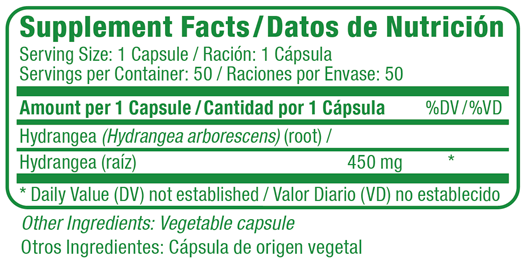
Supplement Facts
Recommendations
Where to Buy


