
Intestinal Cleanser Part A & B
Intestinal Cleanser
Part A & B
30 / 30 Capsules


This kit contains Intestinal Cleanser Part A and Intestinal Cleanser Part B, two supplements formulated to support the digestive system. When taken together, these products help remove toxins, relieve constipation, reduce bloating and gas, and aid with weight loss.
The primary function of the colon, or large intestine, as an organ of elimination, is to gather fermentative and putrefactive waste from throughout the body and, through coordinated muscular peristalsis, expel solid and semi-solid waste from the system. Simply put, the colon acts as the body’s sewage system and requires proper care and cleanliness to prevent toxic waste buildup, which can contribute to several ailments.
Feces that stay too long in the colon are considered fermented and putrefied matter and can lead to harmful byproducts being absorbed into the bloodstream, contributing to toxemia. This condition is produced by the growth of pathogenic, or disease-causing bacteria.
Intestinal Cleanser Part A
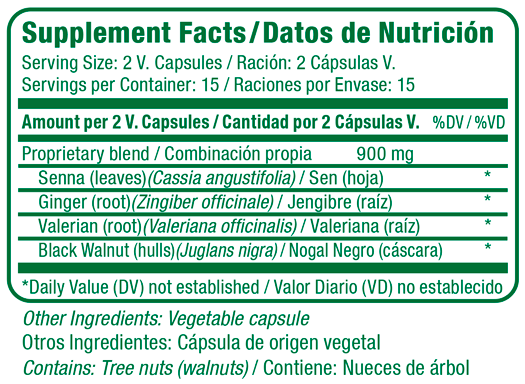
This product is a combination of the following herbs:
Senna – the leaves have been used by people in northern Africa and southwestern Asia for centuries as a natural laxative. Senna was considered a “cleansing” herb because of its cathartic effect. Senna contains hydroxyanthracene glycosides known as sennosides. These glycosides stimulate colon activity and thus have a laxative effect. They also increase the colon’s fluid secretion, which helps soften stool and increase its bulk.
Ginger – the rhizome contains approximately 1-4% volatile oils. The aromatic constituents of ginger include zingiberene and bisabolene, while the pungent constituents are known as gingerols and shogaols. Ginger is considered a tonic for the digestive tract, stimulating digestion and toning the intestinal muscles. This action eases the transport of substances through the digestive tract, decreasing irritation to the intestinal walls.
Valerian – the root has been used to help with nervous conditions for centuries. This herb contains several constituents, including volatile oils, that appear to contribute to the sedating effects of valerian while also promoting digestive function. Stress can impact the digestive system by causing muscle tension, which may result in discomfort and digestive issues. Tension can also lead to irregular bowel movements. When the brain is on high alert during times of stress, so is the intestinal tract. Anything that causes chronic stress, including constipation, can affect emotions and well-being.
Black walnut – used by Native Americans for centuries and considered an important agent in traditional medicine. Black walnut was utilized as a mosquito repellent, for skin disorders, and to promote the removal of parasites from the intestines. Black walnut hulls support digestive health by promoting proper gastrointestinal function and overall digestive wellness. They encourage bowel regularity due to their gentle laxative effects and promote healthy bile flow.
Intestinal Cleanser Part B
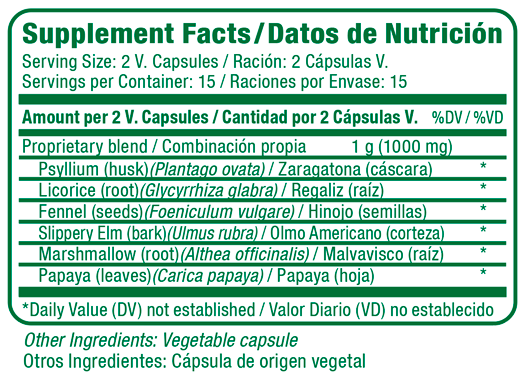
This supplement is a combination of the following six ingredients:
Psyllium Husks – have been used for centuries in ancient Ayurvedic Medicine. Today, psyllium is known as one of the most effective fibers for regular digestive health. It is a bulk-forming laxative and is high in fiber and mucilage. The laxative properties of psyllium are due to the swelling of the husk when it comes in contact with fluids. This forms a gelatinous mass that keeps feces hydrated and soft when taken with plenty of water. The increased bulk triggers a natural reflex that causes the bowel walls to contract, helping to move and eliminate waste.
Licorice – originally from central Europe, licorice now grows all across Europe and Asia. Its root has been used in traditional medicine for years and has a long history of diverse uses across different cultures and traditions. It was and remains one of the most important herbs in Traditional Chinese Medicine. Among its most consistent and important uses is its ability to act as a demulcent (soothing, coating agent) in the digestive and urinary tract. The two major constituents of this herb, glycyrrhizin and flavonoids, also promote anti-inflammatory activity.
Fennel – cultivated in many parts of North America, Asia, and Egypt, but is originally from Europe. The seeds of fennel are used in traditional medicine, with one of its main active compounds being the terpenoid anethole. Anethole, as well as other terpenoids, inhibits spasms in smooth muscles, such as those in the intestinal tract, contributing to the relief of gas and gastrointestinal cramps.
Slippery Elm – native to North America, slippery elm bark has long been used in medicinal preparations, with its inner bark mucilage providing the soothing effects it is known for. In people with heartburn, this mucilage may act as a protective barrier against stomach acid, help reduce local inflammation in the stomach and intestines, and extend its soothing effect to the throat.
Marshmallow Root – traditionally used by herbalists as a soothing agent for respiratory and digestive conditions. Due to its high mucilage content, marshmallow root is believed to help soothe inflamed mucous membranes.
Papaya – commonly known around the world for its nutritional benefits and as a popular food. The properties of papaya leaves and other parts of the plant are valued in traditional medicine. The stem, leaves, and fruit of papaya contain significant amounts of latex. The latex from unripe papaya contains the enzymes papain and chymopapain (proteolytic enzymes) that play a key role in supporting digestion.
Supplement Facts
Recommendations
Where to Buy


