
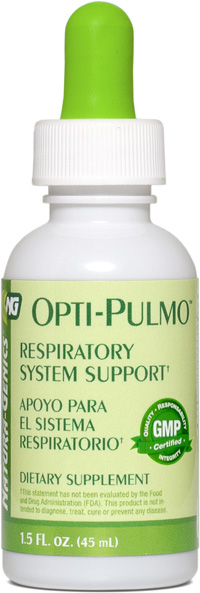
Opti-Pulmo™
1.5 FL. oz. • 45 mL.
Chronic respiratory diseases (CRDs) are conditions of the airways and other lung structures. Some of the most common include chronic obstructive pulmonary disease (COPD), asthma, occupational lung diseases, and pulmonary hypertension. In addition to tobacco smoke, other risk factors include air pollution, occupational chemicals and dusts, and frequent lower respiratory infections during childhood.
Chronic respiratory diseases are often difficult to treat. However, several medical procedures can help widen major airways and reduce shortness of breath, helping manage symptoms and enhancing quality of life for people living with respiratory diseases.
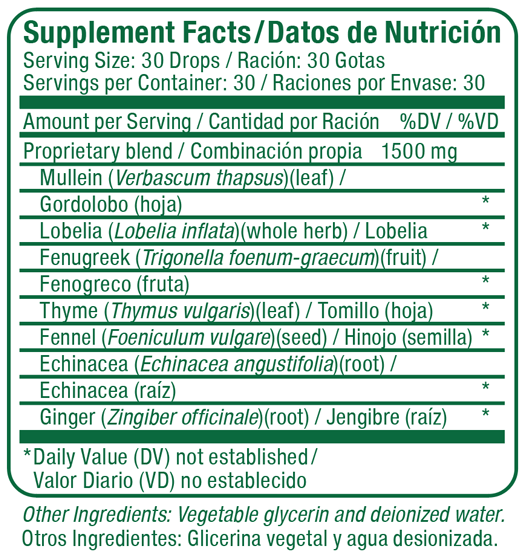
Opti-Pulmo™ has been formulated to support the respiratory system. This supplement is a combination of seven herbal extracts in liquid form.
Ingredients
Native to Europe and Asia, mullein is classified in traditional herbal literature as an expectorant (promotes the discharge of mucus) and a demulcent (soothes irritated mucous membranes). Historically, mullein has been used by herbalists as a soothing agent for the respiratory tract, particularly for irritating coughs with bronchial congestion.
Lobelia was popularly used in traditional Native American medicine as an expectorant and respiratory stimulant. Lobelia is currently used as a complementary agent for cases of asthma and other respiratory disorders. The active constituent of lobelia is the alkaloid lobeline, which is known for its beneficial effects on respiratory tract function, including stimulating breathing, supporting the cough reflex, and improving vascular tone.
Indigenous to Southern Europe and Southwest Asia, fenugreek is an herb with aromatic seeds. It was an important herb to the Greeks and has been used for centuries in Chinese and Ayurvedic medicine. In traditional herbal medicine, fenugreek is often combined with thyme to support the respiratory system. Fenugreek seeds contain a wide array of compounds that are beneficial for the respiratory system, including volatile oils, alkaloids, saponins, flavonoids, and mucilage. The primary actions related to the respiratory system are expectorant, demulcent, anti-inflammatory, and antispasmodic.
Thyme is a member of the mint family that originated in the Mediterranean region and is now commonly cultivated throughout North America. Often used as a culinary herb, thyme contains essential oils that not only make it valuable in the kitchen but also contribute to its medicinal properties. The antispasmodic, antimicrobial, and expectorant actions of thyme have made it a traditional recommendation for coughs. Combined with mullein, it is part of a classic European formula for spastic coughs, including whooping cough. Thyme’s primary constituents are volatile oils, which include the phenols thymol and carvacrol. It also contains flavonoids with antioxidant properties, further enhancing thyme’s effects.
Useful for respiratory disorders such as congestion, bronchitis, and cough, fennel is considered an effective expectorant due to its cineole and anethole content. Fennel seeds in powder form can help break up phlegm and clear nasal passages to ensure a quick recovery from respiratory conditions.
Native Americans used echinacea for a variety of conditions, including venomous bites and other external wounds. It was introduced into the U.S. medical practice in 1887 and was touted for use in conditions ranging from colds to syphilis. Presently, echinacea is used to support the immune system by activating white blood cells. Echinacea may also increase production of interferon, an important part of the body’s response to viral infections.
Ginger is part of the formula and used in various formulations, as it acts as a catalyst for other herbs, leading to better absorption.
Supplement Facts
Recommendations
Where to Buy


