
Vitamin C
8 Oz. Powder

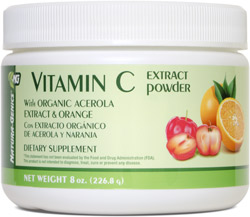
This product is a combination of vitamin C, organic acerola cherry extract (PurC®), and orange juice powder. PurC® contains up to 20 times more vitamin C than other fruits and is used to enhance immune activity, slow down the aging process, and promote general wellness.
Ingredients
Vitamin C is a water-soluble organic compound that has numerous biological functions in the body. Acting as an antioxidant, one of vitamin C’s important functions is to protect low-density lipoprotein (LDL) “bad” cholesterol from oxidative damage. Studies have shown that only when LDL is damaged does cholesterol appear to lead to heart disease, and vitamin C may be one of the most critical antioxidant protectors of LDL. Vitamin C may also protect against heart disease by reducing artery stiffness and platelet aggregation (clumping).
Its antioxidant properties are also thought to protect smokers and people exposed to secondhand smoke from the harmful effects of free radicals.
Vitamin C is needed to make collagen, the “glue” that strengthens many parts of the body, such as muscles and blood vessels. Vitamin C also plays important roles in promoting wound healing and as a natural antihistamine. Additionally, it aids in the formation of bile, helps fight viruses, and detoxifies alcohol and other unwanted substances.
Today, researchers have shown that vitamin C promotes nitric oxide activity. Nitric oxide is needed for the dilation of blood vessels, which is important for lowering blood pressure and preventing artery spasms in the heart that might otherwise lead to heart attacks. Vitamin C has reversed dysfunction in the cells lining blood vessels. The normalization of these cells’ function may be linked to cardiovascular health.
Evidence indicates that vitamin C levels in the eye decrease with age and that supplementing with vitamin C may help prevent cataracts, possibly lowering the risk of developing them. Healthy people have been reported in some, but not all, studies to be more likely to take vitamin C and vitamin E supplements than people with cataracts.
Vitamin C has been reported to reduce aldose reductase activity in humans. Aldose reductase is the enzyme responsible for the accumulation of sorbitol (sugar alcohol) in eyes, nerves, and kidneys of people with diabetes. This accumulation is believed to be responsible for deterioration of these parts of the body associated with diabetes.
Finally, vitamin C may help protect the body against the accumulation and retention of the toxic mineral lead, which in high amounts can cause anemia, weakness, and kidney and brain damage.
Acerola cherry is one of the richest natural sources of ascorbic acid. It also contains many phytonutrients, such as phenolics, anthocyanins, and flavonoids. In recent years, there has been increased interest in this fruit by the scientific community and nutraceutical industry.
Acerola cherry contains an exorbitant amount of ascorbic acid, ranging from 1500 to 4500 mg per 100 g, which is considered 50 to 100 times more than that of an orange or lemon. This fruit contains beneficial bioactive compounds that provide antioxidant support and promote healthy aging.
Orange juice is considered the most common citrus juice consumed by people. Many antioxidant and preventive constituents are present in orange juice, including ascorbic acid, flavonoids, carotenoids, terpenoids, and folic acid. Orange juice, among other citrus juices, has the highest total polyphenol content, exhibiting free radical scavenging activity.
Supplement Facts

Recommendations
Where to Buy


